One of the main ideas behind my traveling philosophy is to avoid overspending. The thing I usually overspend on when traveling is transport. And I am not talking only about getting to the destination. Daily excursions, transferring between the cities, getting from the station/airport to the accommodation and back, or simply getting around the city. Often transportation makes up the biggest part of the budget.
This is why we always try to save as much as possible here but still avoid dragging our suitcases around all the time. Sometimes, renting a car is not as expensive as it seems, especially considering train prices. However, we don’t often choose this option. Especially if the wine offer is good at the destination. Then there is the additional cost and stress about parking, gas, and tolls.
Luckily, there are different ways to lower the costs with a little bit of research and planning.
Getting from the airport/station to your accommodation
One of the first things I check before booking accommodation is how far it is from the main station or airport we arrive at. In many European cities, the metro covers the airport area or main train station, and it is usually the cheapest option. Also, most cities have a tourist pass which allows you to use all public transport for the number of days you choose. But be careful when buying those and make sure they also cover the airport area.
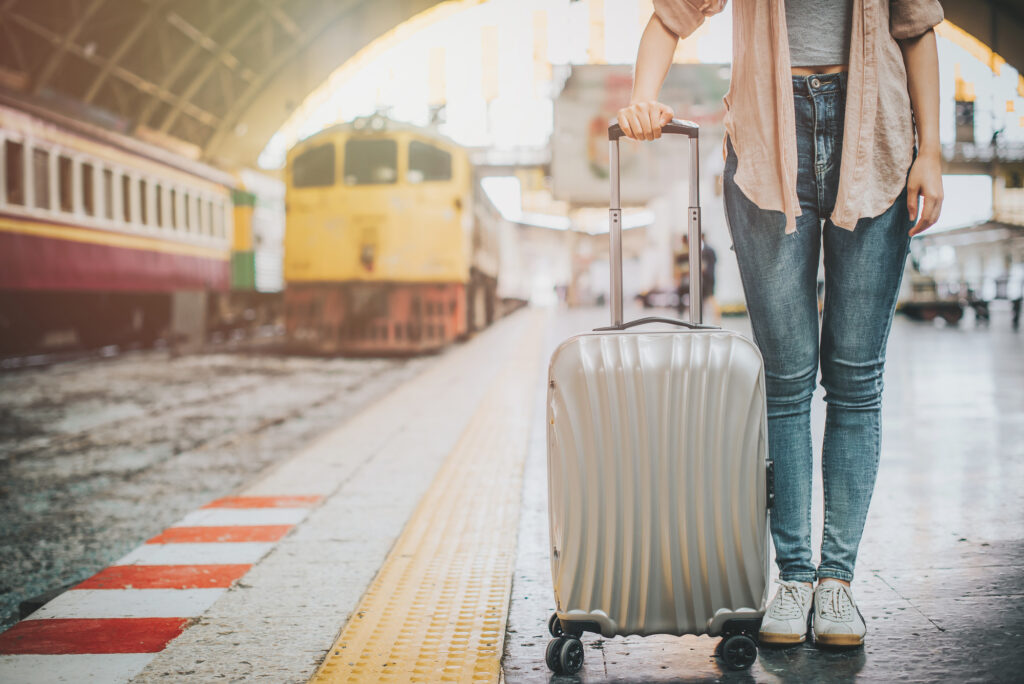
In Madrid, it’s easy to buy a tourist pass at the airport and go directly to the city center. However, the Vienna City pass does not include the airport area and you need to take Express Train line 7 to a certain area and then transfer to the metro. In Dubai, there are two metro stations at the airport and a weekly ticket is around 25 euros with Nol Silver 7-day Pass.
Unfortunately, if you arrive late at night or early in the morning, there is a chance that public transport is not available. Check your options and see what’s best depending on your arrival time. Consider your luggage as well. If you only have hand luggage, a 30-minute walk after a short early morning flight might not be a bad option. But if you arrive at 3 am after a 5-6 hour-long flight this might be a good excuse to splurge on a taxi/uber.
In these situations, we usually get an Uber. Taxi at the airport/station is always more expensive and often you don’t know how much your ride will cost before you arrive at the destination. This might not be true for Abu Dhabi where the safest and cheapest option after public transportation is a taxi waiting at the airport exit.
Around the City
How you will get around the city depends on how big it is. We prefer to walk as much as we can. To save money, but also because it allows us to explore the city. In big cities, we also use public transportation.
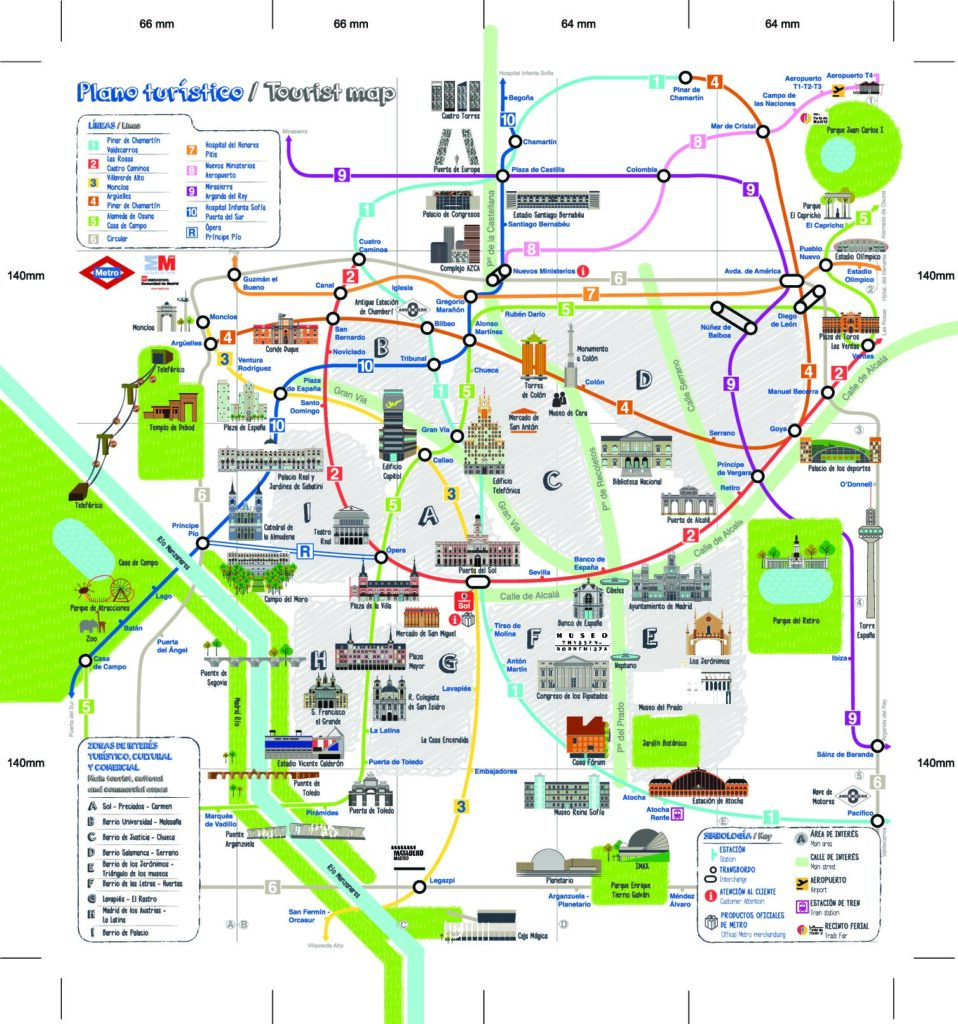
Metro is always a good option for longer distances when sightseeing. Stations are often named after popular landmarks or are nearby. Find the metro map online and check what’s the closest station to your accommodation and where everything else is.
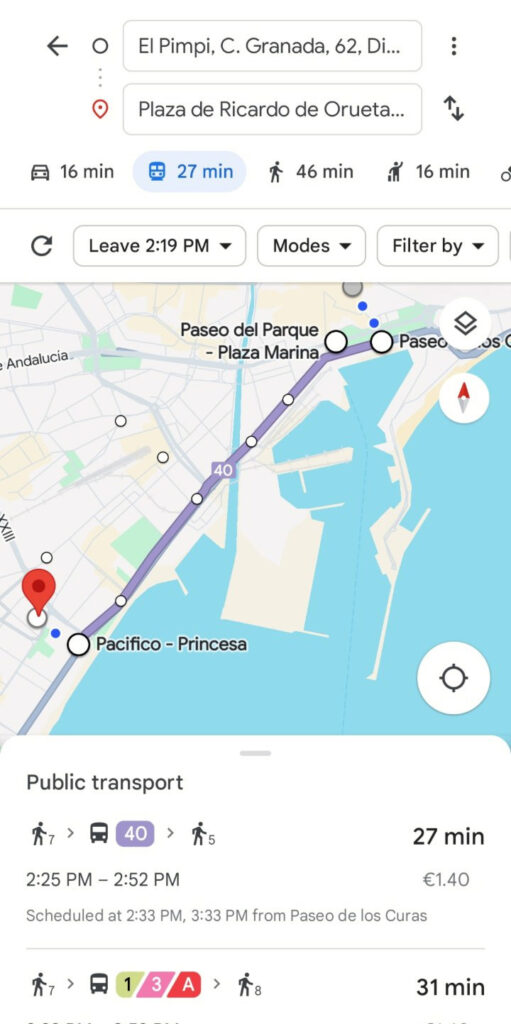
Buses and trams are a great option if you want to get closer to your destination since metro stations can sometimes be a little bit further from where you are going. Rides are cheaper but a little slower. In most cities we have visited we bought bus tickets on the spot for each ride if we didn’t have a city pass. To make sure you are on the right bus and way, open Google Maps and type in your final destination. Choose the public transport option (not car or walk) and you can also see when you will arrive.
Another pleasant experience is a hop-on hop-off ride. They are now in almost every city and can be convenient if you plan to do a lot of sightseeing. We’ve used it in Barcelona, Vienna, Amsterdam. It allows you to see most of the city from an open bus/boat, get off and explore things you are interested in, and then get on again as many times as you want. While on the bus/boat, you have an audio guide with all the info about the attractions you are passing by, and wifi.
Between Cities
Spending the whole trip in one place makes things easier in many ways. But we can’t stay in one place for a long time. We love active vacations which usually means visiting multiple cities in one country.
In Germany, we went to Frankfurt, Stuttgart and Munich. For our honeymoon in Sicily, we stayed in Giardini Naxos but visited Syracuse, Taormina, Castel Mola, Catania, and Palermo. In Andalusia, we saw everything from Granada to Malaga, Cordoba, Sevilla, Cadiz, Ronda and much more.
We use different means of transport in different places and they all have advantages and disadvantages. I prefer the train if it’s punctual, reliable and affordable. However, in many countries, I was pleasantly surprised with the bus service too.
I use omio.com and Google Maps to research my options but use the official websites and apps to book and buy tickets. Flix Bus is another option, and often relatively cheap. But, they are sometimes unreliable. We had one cancellation and one delay in Germany. They did return the money for the cancellation and offered another option or a refund for a delay, though.
As always, I book all the planned drives in advance, especially in touristy places. The prices are higher closer to the date and sometimes even sold out. Also, this is another expense I can cross off my checklist even before we arrive at the destination. Paying for vacation-related things gradually over 3-4 months is easier than having all the money on a pile when we start the trip.
Driving Abroad
We often travel by car if the ride one way is not longer than 7-8 hours. Austria, Hungary, Slovenia, Croatia, Serbia, Montenegro, and Macedonia are all within driveable distance. Very often that’s also most affordable, especially if more people are traveling.
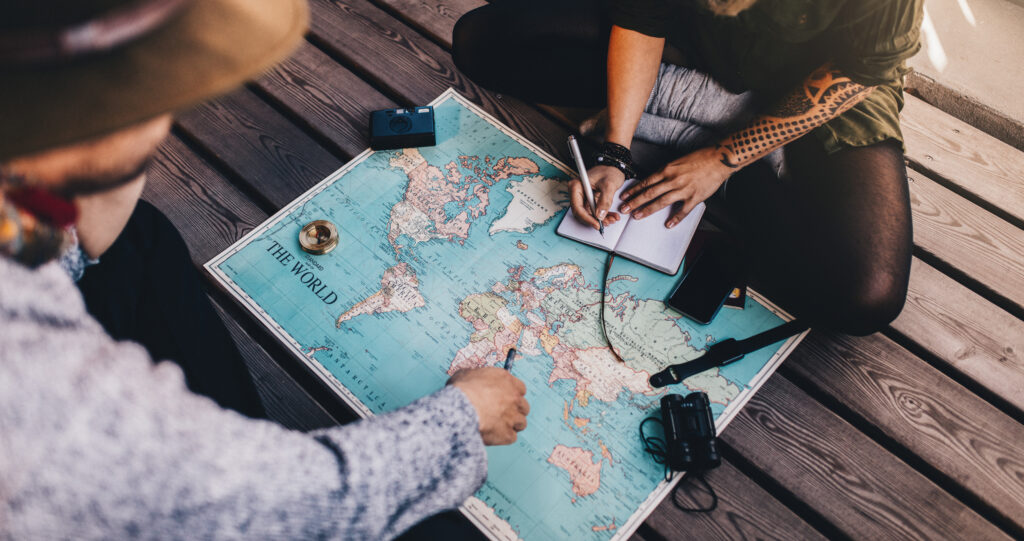
We love the flexibility and comfort driving gives us. Also, we love exploring and getting off route whenever possible and our dream is to drive across Europe in a van. However, driving long distances often makes no sense financially. In addition to gas, there are expenses and the hassle of parking, tolls, vignettes…
These costs can seem small but they amount to a significant number. While in Croatia and Serbia tolls are charged along the way, in Austria, Slovenia and Hungary you need to buy a vignette. You can find them online and at the first gas station after the border. In the EU there are no actual borders between countries, but in some countries, the places where they used to be are still prominent.
Parking is another thing I don’t want to think about when on vacation. How safe it is, how close can we park, how much will it cost, will there be a spot in the first place…so many things I have no control over that can cost us time and money. To avoid overspending, I research public parking lots, read about different parking zones in the city, and check the prices online.
Also, whenever possible, avoid highways. You might get there faster, but you’ll spend not only on tolls but more gas too. Regional roads are more scenic and enjoyable anyway.
Renting a Car
While planning Andalusia, we considered renting a car in Madrid and driving all the time. The car and most of the gas would cost as much as all the train and bus tickets. But, we rented a car only for two days while in Malaga to visit Marbella, Rinda, and Cordoba. This was, financially, most reasonable but we also didn’t want to worry about finding a parking spot. Or deal with driving with such a wine offer.
One of the most important things our rent-a-car experience in Malaga has taught me is to read carefully when booking online. I booked with payment at the spot option but didn’t see that only a credit card is accepted. When we came to pick up the car we were told no debit card or cash payment is allowed.
I found another car rental nearby (as this was the Malaga Airport area) and got another car, so it wasn’t a wasted day, but it was an annoyance. Of course, annoyed and upset, I wasn’t careful reading this other contract either. This time I didn’t see that we have limited mileage (the previous one offered unlimited) and it cost us a bit more.
When choosing a rental agency, research and read the reviews online, not only on their website but Google as well. Look for:
- max insurance and no deposit
- unlimited mileage or additional costs of extra kilometers
- smaller cars (easier to drive and park on tiny roads, less gas money)
- additional & hidden costs
- driver license requirements (international or local)
- number of drivers allowed
Before you decide on any option, make sure to compare your costs and levels of comfort. Then, adjust your needs and plans accordingly.
Main Points to Avoid Overspending
Public transportation is usually the best option for local sightseeing and traveling between cities. Just make sure to buy tickets in advance, use official sites/apps, and check what’s the best option to transfer from the airport/station to your accommodation.
Driving abroad can be a great experience and sometimes even better to avoid overspending. But it also requires detailed cost and route planning. The flexibility and comfort this option offers can be used to its maximum if you don’t mind driving and everything that goes with it.
Make sure to count in:
- gas
- tolls /vignettes
- parking
- rent-a-car and all related costs
Let me know in the comments what’s your favorite way to get around when traveling! Have you learned some valuable lessons you’d like to share?
Also, check my other articles for more tips and tricks to avoid overspending when hitting the road!
Day Dreaming: Research For A More Affordable Escape To Japan
Travel Smarter Not Harder: Practical Tips To Make the Best of Any Trip


