Packing for a trip can often feel daunting, but with the right packing tips, you can streamline the process and ensure you have everything you need without the stress. Whether you’re heading out for a weekend getaway or embarking on an extended adventure, these tips will help you pack efficiently.
1. Check the Weather and Pack Accordingly
One of the most crucial packing tips is to consider the weather conditions at your destination. Before filling your suitcase, take a moment to research the climate and forecast for the duration of your trip. This will help you pack the appropriate clothing and accessories. I usually use Accuweather.com but it is just a matter of habit and preference.
Understanding the weather at your destination is not just about ensuring comfort; it’s also about practicality and enjoyment. Imagine arriving at your beachside destination only to shiver in shorts and flip-flops because you underestimated the evening breeze.
Start by checking the average temperatures and weather patterns for the time of year you’ll be traveling. You should know in advance if you are going during the rainy season or extreme heat. Your itinerary should match the weather forecast for the period of your visit. Don’t book indoor activities on a nice sunny day if you know there will be one or two rainy days. Make sure you have the right clothing if your sightseeing is scheduled on a hot day. Also, keep checking the daily weather forecast until the day you leave for any last-minute changes.
2. Plan Ahead: Pack for Any Itinerary
One of my biggest issues when packing is that I am a “just in case” kinda girl. I’d bring four pairs of sneakers and two pairs of heels because I didn’t know what I would wear, so I needed an option for each outfit. I honestly can’t remember even one occasion when I needed those “just in case” things I brought.
At some point, I got tired of dragging all that around. Also, I realized how cheaper my tickets would be with less luggage. But I didn’t know where to start. One of the best packing tips I have received was “pack for your itinerary”.
Take the time to outline your itinerary and consider what activities you’ll be doing each day. Consider the weather forecast, local customs, and laws. Are you embarking on a day of sightseeing, complete with walking tours and museum visits? Or perhaps you have a romantic dinner reservation at a fancy restaurant. Maybe you will need a scarf or something light for that chilly wine-tasting in the hills, or something to cover your head and shoulders while visiting historical and religious sites.
Then, plan an outfit for every item on the itinerary. Choose comfy items that make you feel good and versatile ones that you can wear differently. A dress can be worn twice paired with different accessories, a scarf, or a blazer. Mix and match items to create multiple looks. By strategically planning your wardrobe, you’ll save space and avoid the frustration of rummaging through a cluttered suitcase.
It’s tempting to pack everything but the kitchen sink, but overpacking can weigh you down and make navigating airports and hotels a chore. Instead, embrace the mantra “less is more” and pack only the essentials.
3. Master the Art of Minimalism
I used to overpack often out of fear of being unprepared or missing out on something important. But the truth is, traveling light makes the whole experience easier and more enjoyable. Trust me, you won’t need that extra pair of shoes or that bulky sweater “just in case.” Instead, focus on packing only the items you know you’ll use and enjoy during your trip.
Optimize space in your suitcase by rolling your clothes instead of folding them. This not only saves space but also minimizes wrinkles. Put socks and jewelry boxes in the shoes/sneakers. Use compression bags but remember – they save space, but the weight remains the same.
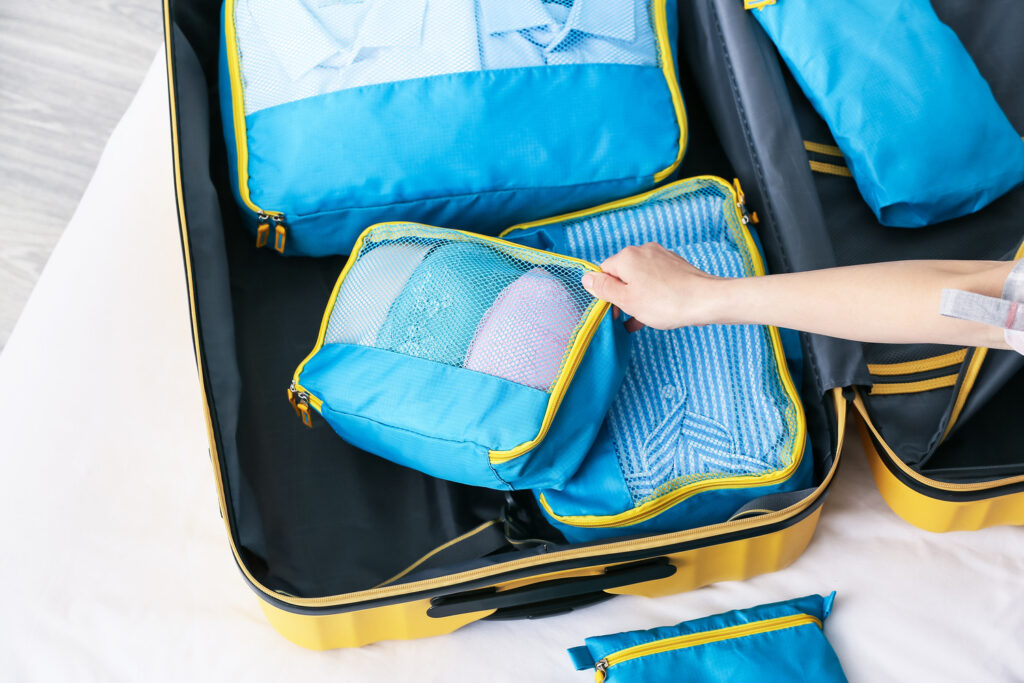
Investing in packing cubes is another game-changer when it comes to traveling light. These can help keep your belongings organized and easily accessible, allowing you to find what you need without making a jumbled mess of clothes. Pack similar items together in separate cubes—think tops in one cube, bottoms in another, and accessories in a third—to streamline your packing process and maximize efficiency.
Learning these packing tips over the years has been a game-changer for me. Now, I mostly travel with hand luggage. With a good, appropriately sized backpack and a packing strategy, I have learned how to pack myself for seven days and not miss a single thing while away. This made so many more destinations affordable.
4. Divide and Conquer: Hand Luggage vs. Checked Luggage
My general rule is if the trip is less than 7 days, I only travel with hand luggage. Everything over that, usually, requires hand luggage, although I am working on that too.
When checked luggage is inevitable it is crucial to know how to divide your belongings ensuring you have everything you need accessible while maximizing space and minimizing weight.
Here are the hand vs. checked luggage packing tips most seasoned travelers swear by:
Packing Tips Hand Luggage:
Your hand luggage serves as your lifeline during your journey, containing essential items you’ll need both en route and upon arrival at your destination. Here’s a breakdown of what to pack in your hand luggage:
Travel Documents: This includes your passport, boarding passes, travel itinerary, hotel reservations, and any necessary visas or permits. Keep these documents organized in a waterproof bag and easily accessible.
Medications: Carry any prescription medications you require, along with over-the-counter remedies for common ailments like headaches or motion sickness. Invest in a pill organizer and pack what you need for the duration of your stay. It’s not always necessary to pack whole bottles and boxes.
Change of Clothes: Pack a spare outfit in your hand luggage in case of unexpected delays or lost luggage. Choose comfortable and versatile clothing that can be mixed and matched as needed.
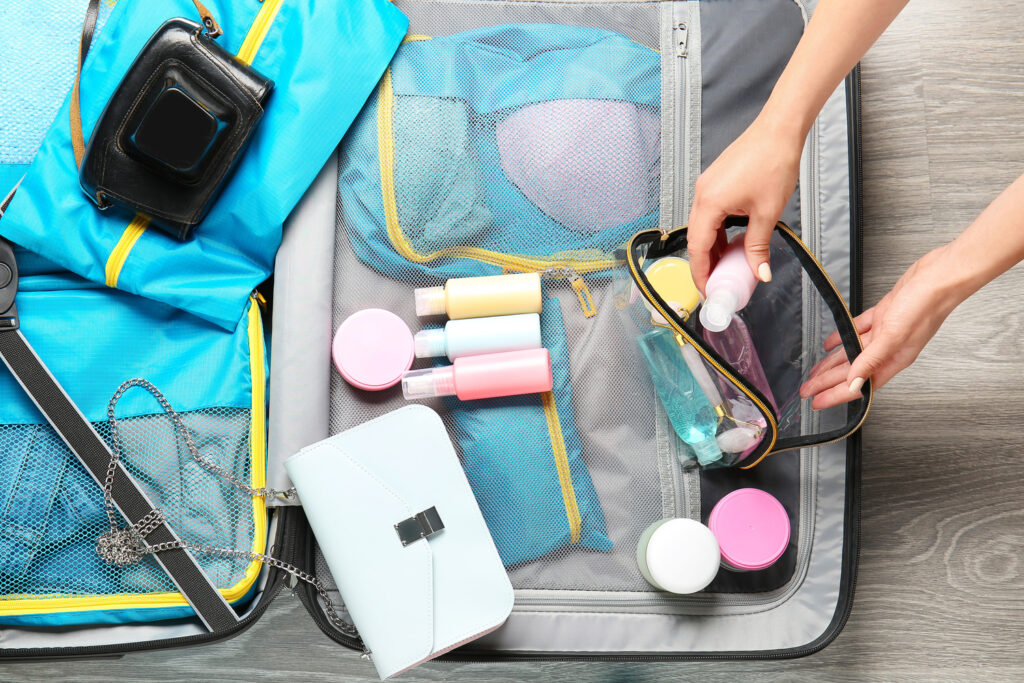
Toiletries: Be mindful of airline regulations regarding liquids, gels, and aerosols in your hand luggage. Pack travel-sized toiletries in a clear, resealable bag to expedite security screening.
Electronic Devices: Bring essential gadgets like your phone, tablet, laptop, and chargers in your hand luggage. Consider investing in a portable power bank to keep your devices charged on the go.
Valuables: Carry valuable items such as jewelry, electronics, and important documents (e.g., marriage certificates, insurance papers) in your hand luggage to minimize the risk of loss or theft.
Reusable Water Purifier Bottle: Stay hydrated during your travels by bringing a reusable water bottle that you can refill at airports or on the plane. Opt for a collapsible or foldable design to save space when not in use.
Packing Tips Checked Luggage:
Your checked luggage is where you’ll stow bulkier items and non-essential belongings that you won’t need immediate access to during your journey.
Clothing: Pack clothing appropriate for the duration and activities of your trip, taking into account the weather and cultural norms of your destination. Use compression bags to maximize space and keep your clothes organized.
Shoes: Bring something suitable for various occasions, from comfortable walking shoes to dressier options for evenings out.
Bulky Items: Utilize your checked luggage for larger or bulkier items that won’t fit in your hand luggage, such as coats, jackets, and belts, handbags.
Souvenirs: Leave room in your checked luggage for souvenirs or items you may acquire during your trip. Consider packing a collapsible or lightweight bag for this purpose to avoid exceeding weight limits on your return journey.
5. Be Prepared: Pack a Travel First Aid Kit

No adventure is complete without a hint of unpredictability. Insect bites, allergies, cuts, sunburns, sore muscles, headaches – all part of life and traveling. I like being prepared for any scenario, and I want to avoid spending money at a local pharmacy or risk not finding exactly what I need. That’s why packing a compact travel first aid kit is essential in ensuring safety and well-being on the road.
So, what should you include in your travel first aid kit?
Here’s a checklist of essentials to consider:
- Band-Aids: For minor cuts, scrapes, and blisters
- Pain Relievers: A small supply of over-the-counter pain relievers like ibuprofen to alleviate headaches, muscle aches, and other minor pains.
- Antiseptic Wipes/Spray: Keep your wounds clean
- Gauze Pads & Adhesive Tape: For larger wounds or applying pressure to stop bleeding. Pack a few assorted sizes to accommodate different injuries.
- Medications: Don’t forget your prescription medications, a copy of your prescription, and a list of your allergies. Be sure to check the regulations of your destination regarding the importation of medications.
- Tweezers: for removing splinters, ticks, or other foreign objects from your skin.
- Supplements: probiotics, vitamins, and anything else you usually take to help your body be on its best behavior.
- Emergency Contact Information: Keep a card with emergency contact information, including local emergency services numbers and the contact details of your travel insurance provider.
Packing doesn’t have to be a daunting task. With these packing tips and tricks, you can pack efficiently and ensure you have everything you need for a memorable and stress-free journey.
For more inspiration and tips, check some of the previous posts:
Travel Smarter Not Harder: Practical Tips To Make the Best of Any Trip
Day Dreaming: Research For A More Affordable Escape To Japan


