Organizing a group trip is always challenging, whether it’s a long weekend with a group of mixed friends, a girls’ trip, a family holiday, or a meet&work event. Different availabilities, preferences, budgets, and lifestyles are difficult to navigate and people often give up before even trying.
After traveling with smaller and bigger groups for different purposes, I’ve picked up a few tricks worth sharing.

Group Trip: Initial Considerations
There are two most important things to consider when planning a group trip:
- Date
- Trip Type
Set a Tentative Date
The most difficult part should be dealt with first. Finding the time that suits everyone usually is the biggest problem in my experience. Start by discussing potential dates early on. This way everyone in the group can take time off work, plan family responsibilities, or other obligations.
Between family vacations, events, and holidays, it’ll likely be difficult to find the time that works for everyone. This is why it’s important to agree on a date tentatively as early as possible. Don’t book anything or plan any activities, but have an approximate date set at least 6-8 months in advance. Decide how long the trip and how many days off work everyone needs. Also, it’s enough time to plan and coordinate with family members, save up money, etc.
Finally, once you have a tentative date set as early as possible, everyone will have a mental note not to plan anything else.
Decide on a Type of Trip
Different people have different preferences and interests. While some love basking in the sun next to the sea, others prefer exploring cities, and some enjoy adrenaline-packed activities. Before you go any further, set the tone for your group trip and agree on some basics. Will it be a beach holiday, city exploration, adventure, wellness retreat, or something else?
Here are some suggestions:
- Beach Holiday: Popular beach destinations often come with a mix of relaxation and water activities
- City Exploration: Endless exploration opportunities, from culture, history, architecture, and local cuisines to museums and street markets.
- Adventure/Outdoor: Hiking trails, zip-lining, or even snow sports could be appealing if everyone enjoys being outdoors and doesn’t mind a little bit of adrenaline
- Wellness Retreat: a mix of rest, rejuvenation, and self-care, a wellness retreat can be the way to go. This type of trip might focus on yoga, meditation, detox, or spa therapies.
- Food and Wine Tour: If the group enjoys fine dining, wine tasting, or culinary experiences, choose regions that offer rural tourism, wine tastings, cooking lessons, etc.
- Festivals and Events: If your group wants to party, a specific event, such as a concert, festival, sporting event, or cultural festival could be an option.
Group Trip: Budgeting & Destination
After agreeing on the basics, it’s best that everyone takes some time to research possible destinations and establish budget. As you have the date and type of trip settled, take a few weeks to check your options. What beach destinations are good for that time of a year? What cities your artist is touring? Where are the best wellness retreats? Then, after a few weeks bring your ideas and suggestions together and discuss.
Budgeting
Have an open conversation about money early in the planning process. While some members may have a larger budget, it’s important to ensure the trip is affordable for everyone. Some people are willing to splurge on a fancy dinner while others prefer activities and events.
Discuss early if you are sharing accommodation or opting for separate spaces. Research how much you’ll need for transportation from/at the airport, or gas and tolls if you’re going by car. Break down the expenses into categories and calculate the cost of different expenses. This will also help you narrow down the destination, accommodation type, activities, etc.
- Transport: gas, tolls, taxis, public transport
- Accommodation: apartment for the whole group, combined hotel rooms, hostels, villa, etc.
- Food: grocery shopping, group meals
- Activities: attractions and events
Setting a realistic budget is crucial to making sure everyone feels comfortable and enjoys the trip without financial stress.
- Shared Expenses: Apps like Splitwise can help track group expenses. Plan a shared budget for accommodation, group meals, and activities.
- Allow Flexibility: Each person may have their own financial limits, so leave room for flexibility. Everyone doesn’t need to participate in every activity if it exceeds their budget.
- Hidden Costs: Account for additional costs like tips, transport fees (taxis, ride-shares, or public transport), entrance fees, or souvenirs.
Destination Preferences
When it’s time to choose the destination, consider the following factors
- Travel Restrictions and Entry Requirements: Check the visa requirements, vaccination mandates, or other entry restrictions (especially in light of post-pandemic regulations). Make sure all group members can easily obtain travel documents. Consider avoiding destinations with difficult or expensive visa processes if it could be a barrier for someone in the group.
- Climate: Consider the weather at the time of travel. Do you want to go somewhere warm and sunny, or are you okay with cooler climates? For example, if you’re planning a trip in December, a beach holiday in the Caribbean might appeal more than a city tour in a cold region like Scandinavia.
- Distance and Travel Time: If your group of friends live in different countries, avoid destinations that require some to travel much longer than the others. If there is one friend in the other part of the world, it might be OK for them to adjust to the group. But generally, for short trips (like a long weekend), consider closer destinations that don’t require extensive travel times. If the group is up for adventure, longer international trips may be a great opportunity to explore new cultures.
- Language and Culture: If the group is more comfortable in English-speaking regions, choose destinations where language won’t be a barrier, or plan to travel with someone who speaks the local language.
- Safety: Always prioritize group safety, especially when traveling with a group of women. Research the safety levels of a destination, including tips for staying safe while exploring at night or in certain areas of town. Use apps like Safeture for real-time updates on safety
Group Trip: Dynamics & Accommodation
Finding the right accommodation for your group of friends is crucial. It sets the tone for comfort, socializing, and the overall experience.
One of the first decisions to make is whether the group will share an apartment/villa, rooms, or a suite in a hotel or opt for individual/private spaces. This will depend on everyone’s comfort levels, privacy needs, budget, and the nature of the trip.
Things to Consider:
- Budget: If budget is an issue, don’t insist on an all-inclusive packages in five-star hotels
- Safety: Make sure the area is safe for walking at night, especially if the group plans on going out after dark. Research neighborhoods carefully before booking.
- Noise: Depending on your group’s preferences, you may want to stay in a lively area with nightlife and entertainment or a quieter, more residential part of town where you can relax without the noise.
Shared Space
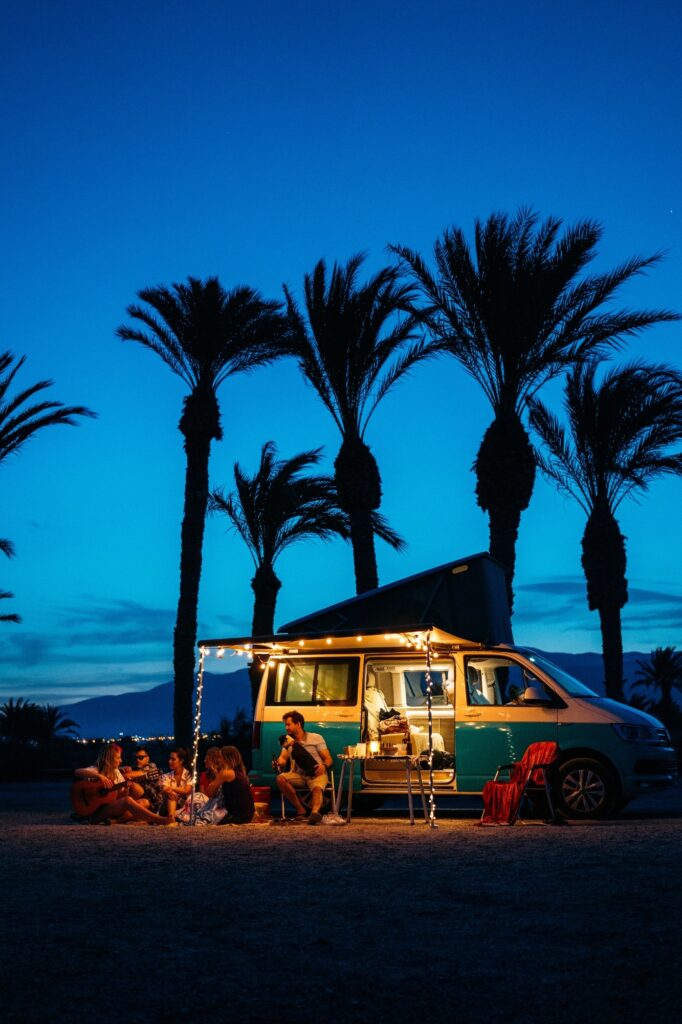
Sharing a room can enhance bonding and can also help reduce costs. Many group travelers enjoy the fun, slumber-party-like atmosphere, especially if you’re staying in a villa or large apartment. Sharing a common space like a living room, kitchen, or pool enhances the group dynamic, and rentals often provide more freedom than hotels. For a more intimate, social experience, renting a house, villa, or apartment is often the better option, particularly for larger groups. This works best if everyone feels comfortable with each other and is okay with sharing bathroom and sleeping spaces.
Advantages
Having a common living area or kitchen allows for group hangouts, shared meals, and relaxing together in a more home-like environment. You can cook meals together, have movie nights, or just chill after a day of sightseeing. Options range from charming homes to luxury villas, giving the group a more personalized and unique experience than a standard hotel room. Renting a house or apartment can be cheaper per person than booking several hotel rooms, especially in expensive cities or resort areas.
Things to Consider
- Different sleep schedules or habits (e.g., snoring, waking up early) could lead to frustration.
- Bathroom sharing can be tricky, especially with a large group. Consider accommodations with multiple bathrooms.
- Some people may need more privacy and downtime, so ensure everyone is on the same page.
- Unlike hotels, you won’t have daily housekeeping, room service, or concierge assistance. While this gives more privacy, it can mean more cleaning up after yourselves.
- Sometimes rental properties are located further from city centers or tourist attractions, so transportation may be more of a hassle compared to hotels located in prime areas.
Private Spaces
If privacy and personal space are a priority, consider booking separate rooms for each traveler or smaller groups within the party. Hotels and large homes with multiple bedrooms can accommodate this need.
Advantages:
Hotels can be a great choice if your group values convenience, amenities, and ease of access to services. They offer a more predictable, hassle-free experience but might lack the homey, personalized feel of a rental. Hotels offer round-the-clock services such as housekeeping, room service, concierge assistance, and security. If your group wants to focus purely on relaxation without worrying about chores or logistics, hotels are the way to go.
- Provides space for personal time and privacy, which is important if the trip is long or if the group isn’t used to living together.
- Different schedules or habits won’t interfere with each other as much.
- More comfort for individuals who prefer their own space, especially if traveling with light sleepers or people with different routines.
Things to Consider:
Hotels in central or high-demand areas are usually more expensive than Airbnb, especially for longer stays. If staying in a hotel, you’ll have to book multiple rooms, which could result in the group being separated by floors or even buildings, depending on the hotel. Also, hotel rooms tend to be smaller, and if your group is large, you’ll likely need to book multiple rooms. This means less communal space for group activities, hanging out, or shared meals.
- Private rooms often come at a higher cost. If budget is a concern, this option might not be feasible for everyone.
- Less interaction during downtime; splitting up the group into separate rooms could reduce the feeling of togetherness.
In the end, decide on the accommodation based on the purpose of your trip; staying close to the main attractions and central areas or proximity to the beach and different sports activities.
Group Trip: Itinerary Planning
Plan itinerary based on common interests, people’s preferences, and fears. Adrenalin parks are not a good idea if some people have a fear of heights.
Depending on how close you are with the group, you probably have some common interests, but this doesn’t mean that all of you should spend every moment together. Leave time for individual activities and rest based on people’s usual rhythm.
- Balance Activities and Downtime: Discuss your preferences, consider everyone’s pace, and plan accordingly. While some people are excited to walk 30k steps daily, others prefer more chill time.
- Group vs. Solo Activities: Not everyone may want to do the same things every day. It’s okay to split up for certain activities to allow for some personal time.
- Pre-book Popular Activities: Some tours, activities, or restaurants may sell out, so book these in advance where possible.
- Dining: Research restaurants and cafes, and make reservations if necessary. Consider dietary restrictions and preferences.
- Nightlife: If your group enjoys nightlife, explore safe and exciting spots for an evening out.

With thoughtful planning, consideration of everyone’s preferences, and some flexibility, your group trip will be one to remember!
Packing Considerations
- Coordinate: Depending on your destination, coordinating things like swimsuits, theme outfits for group photos, or matching accessories can make the trip extra special.
- Shared Items: Discuss bringing shared items to avoid unnecessary duplication. For instance, one person can bring a hairdryer or a Bluetooth speaker for group use.
- Essentials: Sunscreen, bug spray, power banks, and travel-sized toiletries are must-haves for most trips.
- Dress Code: Research the cultural norms of your destination, especially for countries with more conservative dress codes.
Group Dynamics
- Compromise: Not everyone will want to do the same thing all the time, so flexibility and compromise are key to ensuring everyone has a good time during a group trip.
- Conflict Management: Set expectations for open communication and handling potential conflicts maturely and clearly.
- Roles and Responsibilities: Assign tasks based on everyone’s strengths. For example, one person can handle booking restaurants, another can manage transport, and someone else can manage the day’s itinerary.
Safety
- Research Destination Safety: Always check travel advisories and consider the local safety situation. Be cautious, especially when traveling at night or in unfamiliar areas.
- Travel Insurance: Make sure everyone has travel insurance that covers health emergencies, cancellations, or theft.
- Stay Connected: Set up a group chat to stay in touch and share locations while out exploring.
What’s your experience traveling with a group? Do you have any tips? Let me know in the comments!
Check some of the previous articles for more tips & tricks to help you plan your next adventure:
Travel Smarter Not Harder: Practical Tips To Make the Best of Any Trip
How To Travel More By Spending Less On Transportation
Until next time,
Asya


