Over the years I have learned a lot, which has made my traveling easier. Of course, before that, I had made many mistakes. True, not all of them created big issues but in hindsight, the trip would have been more comfy had I known how to avoid them.
Most commonly, those mistakes would cost me extra money and time, and those two things are crucial if we want to have an enjoyable trip.
Here are the 10 most important Travel Tips to consider when you plan your next trip.
- Packing
- Document Storage
- Luggage Storage
- Travel Gadgets
- Travel First-Aid Kit
- Sightseeing Plan
- Free Tours / Attractions
- Staying Connected
- Eat Local
- Use Local Transportation
Packing Travel Tips
For me, this was the most difficult one. In the past, I could never pack right. I’d always overpack or underpack, or simply not have appropriate clothes for certain occasions or weather conditions.
Usually, I would overpack. If I were going on a summer vacation, I’d pack most of the summer clothes I had in my closet. I was always that “maybe I’ll be in the mood for this” kinda person. Even though I hadn’t worn that something in years. Then of course, I’d need flats and high heels for every combination I’d decide to wear, and then purses, and then jewelry…you see where I’m going with this, right?
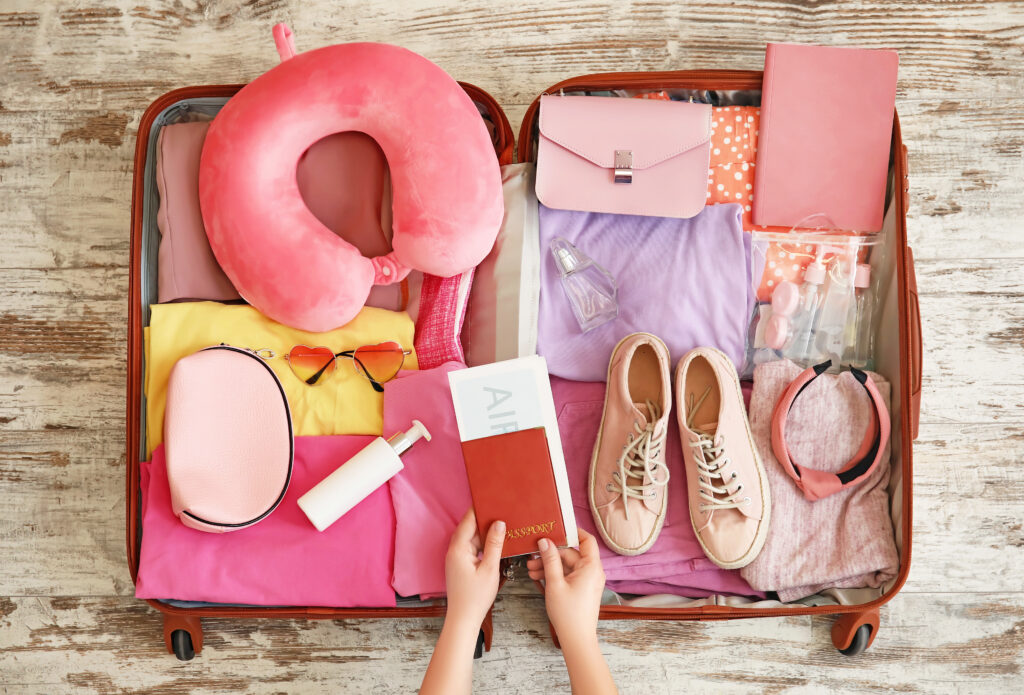
When traveling by car, this is not too much of an issue. But even then, going through a huge suitcase looking for that one particular thing and messing everything up in the process was annoying. I’d have to fold things over and over again, wasting my time and energy. Not to mention dragging my suitcase to our accommodation, having them all expected at the borders, and so on.
With time, I got better at this, and today I like to call myself a packing genius. For me, that means that whenever I travel I always use everything that I pack. Also, I never find myself having to buy stuff while traveling because I didn’t bring it with me. That’s a win!
Invest in a backpack / handbag/suitcase
So, how I do that? First, it depends on how many days we are staying somewhere. If it is less than 7 days, I only bring hand luggage. Regardless if we travel by car or plane, I never bring a big suitcase if the trip is less than 7 days. It is not necessary. For longer trips, which usually include more locations or sightseeing days, 20-30 kg of luggage is probably necessary.
So, invest in a good backpack that has a lot of pockets. Most airlines allow 40-30-25 cm bag, but if it is a backpack and its shape/size can be manipulated, it’s ok if it is a little bigger. Usually, when traveling by plane with hand luggage only, you will be required to put it under your seat, So, if your suitcase is half a centimeter bigger than what’s allowed, you’ll have trouble squeezing it in.
Also, a backpack is more practical as it leaves your hands free to carry a phone or documents.
Travel Tips for more than 7 days
When traveling for more days a good suitcase combined with separators for different clothing items is handy. This way you can pack all your items separately and never worry about finding what you need. I always separate upper wear from lower wear, and of course underwear. Use a shower cap to put your shoes/sneakers, and always have spare bags for dirty clothes.
Also, if you travel with a suitcase, always pack some of the clothes in your hand luggage. You never know if your luggage will get lost. Pack 1-2 days’ worth of clothes in your hand luggage so that you don’t have to buy those when you arrive at your destination.
Another handy thing is vacuum bags. They save a lot of space and make it easier to find what you need in your backpack.
Check the weather and local customs
To pack smart, you need to know what to expect at your destination. The most important is the weather. You might be visiting a tropical country or traveling during summer, but that doesn’t mean colder weather or rain cannot happen. Always check the weather in advance and keep checking until the day you leave, and adjust accordingly.
Don’t put yourself in a situation where you have to waste money to buy a sweater, waterproof footwear, or anything else that you didn’t pack.
Also, don’t forget to check local customs. There are places where you might feel uncomfortable walking around in a shorts and spaghetti-strap shirt. More importantly, there are places you won’t be allowed to enter in such clothes.
Documents
A travel tip that made my life easier in general is how to store documents. This is another thing that would cause a lot of anxiety and issues for me in the past.
So, the first thing is to always have the physical copy of the first page of your passport with you and also keep a photo of it on your phone. The same goes for your boarding passes or any other entrance ticket you have bought.
I like that today everything is mostly electronic and we don’t have to worry about printing those. However, this has shown to be unreliable sometimes. The phone can freeze, the battery can die, and there might be no internet so you cannot access the app. Numerous things can go wrong. So, just in case, print everything and store them in a waterproof bag/folder. Also, take photos and download PDF versions of everything, and create a document folder on your phone.
Luggage Storage
Most airports and train/bus stations have these, and they can be so handy. In the past, if I had a long layover or a lot of time between landing and going to the next destination, I’d have to rent a room. This is a waste of money and time.
Depending on the city, luggage storage boxes at the airport or station can be anywhere between 5 to 20 euros. Which is cheaper than booking a room.
In Madrid for example, we landed at 9 am, had a whole day of sightseeing, and the bus for Granada at 1:30 am. So, from the airport, we went to the bus station from which we were leaving for Granada and deposited our luggage there for 5 euros/day. After we were done with sightseeing, we went to the station, took our luggage, and boarded the bus.
Sometimes it will be necessary to book those in advance. Avoid getting there only to find out there are no available boxes.
Travel Gadgets
Any travel tips list is incomplete without a list of gadgets that make traveling safer and more convenient. Depending on where you are going and what your travel style and needs are, travel gadgets can be life savers.
Here are my must-haves:
- Wireless charger
- Power adapter
- Reusable water bottle/purifier
- Reusable toiletry bottles
- Mini cooler
- Plastic Zip Bags
- Portable UV sanitizer wand
Most of these are self-explanatory, but let me underline the importance of reusable water bottles/purifiers. Not only does it save money as you don’t have to buy water at the airports, stations, or during your sightseeing day, but it also makes tap water safe to use wherever you are.
Reusable toiletry bottles are another thing that I can’t imagine traveling without. Packing all your toiletries from shampoo, conditioner, body cream and everything else makes your luggage heavier and is also a waste of space. Packing smaller amounts of everything is so much easier.
Mini Cooler is also another life-saver. I have the small one that fits two half-a-liter bottles + a freezer block. I usually put a sandwich, some snacks, or anything else that I might need to store in a cold place. Nothing worse than having your chocolate bar or sandwich ruined by hot weather.
Plastic zip bags are necessary to pack anything liquid that is in your hand luggage. But they also come in handy for any documents, meds, or anything else that you need to make sure will stay safe and dry.
A portable UV sanitizer wand is new for me too, but another life-saving gadget, especially in this time and age. It fits into any bag and can kill 99% of germs and viruses on any surface.
First-Aid Kit

Travel tips that can save your lives: supplements, medicine and first-aid. I have learned this the hard way, but now, here are the things I bring even to the shortest trips:
Supplements
Probiotics/Prebiotics – prevent constipation many people experience when traveling. Check your destination for any possible water/food issues, and make sure to start taking appropriate probiotics a few days before you leave and take them the whole time while you are there
Vitamins – It’s important to support our bodies and help them through the stress of traveling. Make sure you have everything that will help you keep your energy up for long days, help you relax during the night, and also help keep your skin protected from sun, pollution, and other outside factors all the time.
Medicines
Painkillers – different weather conditions, a lot of walking, a new bed/pillow, or a simple sprain can mess up your whole trip. Make sure you are prepared for these with some basic painkillers that can relieve any pain you might experience.
Allergy medication – Allergies can break out for no specific reason at any time. Avoid wasting time and money on buying them abroad. Also, when it comes to insect bites, I like to have some cream that alleviates itchiness and pain caused by stings, bites, or contact with different plants.
Bandaids and Disinfection – scratches, burns, cuts…they happen and can be a real mood downer, if not dangerous. Make sure you have something to disinfect your wounds and cover them handy at all times.
Prescription Drugs – don’t forget whatever medication you might need to take daily if you have any. Also, make sure to have any necessary prescriptions and documentation so that you don’t get into trouble at the border or airport control.
Finally, carrying all this might require a lot of space, so don’t shy away from investing in a medicine container where you can fit everything you need into daily doses.
Sightseeing Plan
When planning a trip, it’s not all about planning how to get there, where to stay, and what to see. You should also plan your sightseeing in a way that maximizes your time and minimizes your expenses.
Don’t over-plan!
One of the most useful travel tips I have learned over time is: don’t over plan! And I can’t stress this enough. Having a list of attractions and things to see is important, but don’t plan your day to the smallest detail, and never plan it in such a way that leaves no space for spontaneity.
Having too many things scheduled for one day will make you stressed worrying if you will be on time for each place. Traffic jams, distractions, accidents…they all happen and can be a real pain in the neck. So, plan one or two things a day, and then leave the rest to destiny.
Also, always check how far away are certain attractions and places, calculate how much time you need, and leave enough time for any unexpected situations. If possible, plan your days in such a way that you don’t have to run from one part of the city to the other. If there are multiple attractions in one part of the city, visit them one day, and then another part of the city another day.
Visit the Local Tourist Info Spot
While it’s true that we can find most information on the internet, local Tourist Info spots still exist. People there always know about any events, restrictions, cancellations, and ways to make your trip easier. Chat with the employees, take pamphlets, and explore your options. Also, don’t shy away from talking to locals. They can have some travel tips for particular destinations that you didn’t even think of.
Another important thing is always to download maps of the location you are visiting, pin your accommodation and other important places. Internet might not be always available, so don’t risk getting lost or wasting your time roaming around like a headless chick.
City Pass
If you are visiting many museums, tourist spots, and attractions, a city pass is always a good option. Usually, those include access to local transportation and you can save a lot of money compared to buying tickets for each attraction separately.
Free Tours / Attractions
With that said, always keep in mind that many cities, especially in Europe, have free admission days for certain attractions. For example, in Vienna, the 1st Sunday of every month is a free admission day at most museums and attractions. Research in advance and save a lot of money this way.
Another thing is free walking tours. Many cities have tour guides that organize free walking tours where you can learn about local history, culture, and customs from a person who knows what they are talking about. Instead of hiring a tour guide or paying extra at certain attractions to have a tour guide, you can spend a day walking around the city and learning interesting facts for free. Check Guru Walk and see what is offered in the city you are visiting next.
Also, in many places, there are Ladies’ Nights, when certain bars and clubs offer free drinks to women for a specific amount of time. Something like a happy hour but a selection of drinks are free or way cheaper than usual. I took advantage of this when visiting Dubai or Abu Dhabi since drinks are really expensive there, but other cities offer these as well. So, before you plan your night out, check online if there are bars that have these kinds of events.
Stay Connected, Avoid Roaming
If you are from the EU, a local SIM is not necessary when traveling to other EU countries. However, in any other situation, buying a local SIM card is essential. This is not only to have an internet connection all the time but also in case you need to make phone calls. In Spain, for example, there are multiple options where you can buy a prepaid card with 30gh of the internet for just 10 eur. Austria is a bit more expensive, approximately 30 euros for 30-40 GB.
Alternatively, go with an e-SIM which is getting more popular since you can avoid changing the SIM card every time you travel. There are many e-SIM options available, but one I’ve heard people use often is Lyntel.
In any case, check online what each country and their local cell providers offer, and when possible order them to your home address a couple of months before you leave so that you don’t have to buy them at airports, where it’s usually more expensive.
Eat Local Food
Although it is often easier to go with familiar options and fast-food restaurant chains, in many cities, these can be more expensive options and also boring. You can have those anywhere. But you can only eat real Neapolitan pizza in Naples, if you know what I mean.
In many places, street food is tasty, affordable, and safe. However, always do your research and talk to the locals at the hotel you are staying in or coffee shops nearby.
With that said, avoid touristy places and restaurants close to famous attractions. Those are always pricier and not necessarily even that good. I always opt for visiting a local market where you can buy fresh foods and vegetables, and very often there are some tiny restaurants and shops where you can have a great meal for much less than anywhere else.
Also, if you are staying in an apartment and are planning to cook, always shop at local markets rather than supermarkets. Food is always of better quality, cheaper and it also gives you an opportunity to meet locals and experience their everyday life.
Use Local Transportation
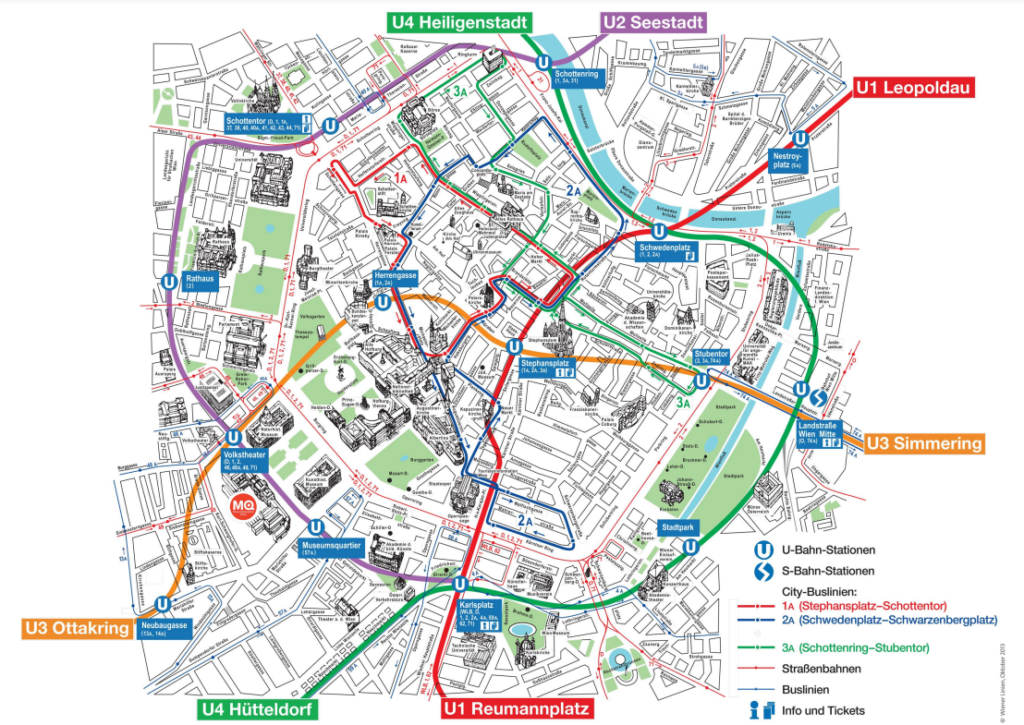
Yes, a taxi is convenient and easy, but also too expensive. While Uber and Bolt can be cheaper options, it’s not a guarantee. Local transport is always the best option. Not only is it the cheapest, but also it is the best way to get to know the city and experience it in the way the locals do. In most places you how metro, tram, bus, and train options.
The metro works on the same principle everywhere and with a quick Google search you can find a metro map of each city and in some cases with illustrations of the most important places and attractions, which makes it easy to organize your sightseeing and always find the next station you should get off at.
Do you find these travel tips useful? Do you have some more that have made your trips easier? Share them in the comments!
For more travel tips and tricks, check the article Travel Planning Made Easy: Tips for a Perfectly Organized Trip


