In October last year, we visited Turkey. Istanbul and Bodrum, specifically. Our initial plan for Turkey included a few more places, like Cappadocia, Pamukkale, and Çatalhöyük. But, in the end, we decided that eventually, we would have to make another visit. Everything we want to see can’t fit in a single 14-day trip. This time, we spent five nights in Istanbul and eight nights in Bodrum. The idea was to explore as much of Istanbul as possible in those five days, and then chill and relax in Bodrum.
I have visited Istanbul before, but it was a long time ago and that was my senior high school trip. As my interests and priorities have changed since then, I created an itinerary as if we were visiting for the first time. Our priorities were historical and cultural sights and interesting spots we had heard of or read about.
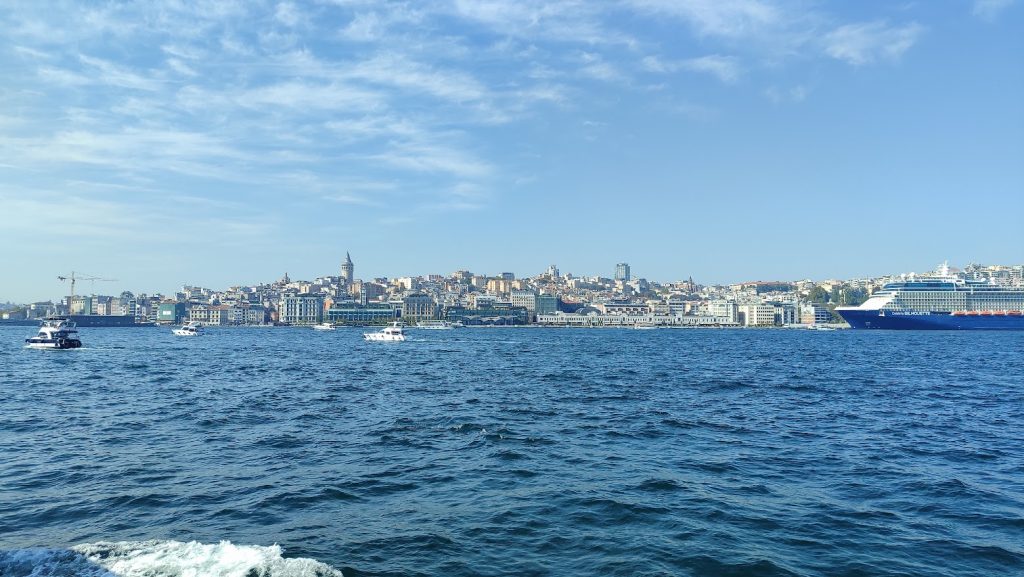
Planning and Expenses
I started creating an itinerary almost six months before the trip. Considering the size of Istanbul and our obsession with seeing as much as possible, we knew there wouldn’t be time for all the attractions. We also didn’t want our days filled with bookings and reservations. This time, we wanted to leave more space for spontaneity.
Still, I had to organize transport and accommodation well in advance. We opted for accommodation in the Sultanahmet neighborhood so I booked multiple hotels with free cancellation options. Once I finished our itinerary, we chose to keep the reservation with the Alphonse Hotel. Five nights cost 256 euros for two, with breakfast included. This was very cheap, so we didn’t expect much. The location was great and the main attractions were within walking distance. The area is touristy with plenty of restaurants, bars, and stores. On the bad side, the hotel could use a renovation, breakfast is pretty basic and the whole area lacks a bit in the cleanliness department.
We flew from Tuzla to the Sabiha Gökçen airport with Pegasus. Tickets cost 110 euros per person for a return flight, with 20kg of checked-in luggage included. Upon arrival, we bought Istanbul Tourist Passes, which cost 45 euros each and are valid for 5 days. This option is for transportation only and includes metro, tram, bus, ferry, and cable car. There are different cards, some including attraction passes. Prices and options are changing often, so if you are planning a visit make sure to research and find the one that fits your needs.
Exploring Istanbul: A Five-Day Journey Through History and Culture
Istanbul, where East meets West, is brimming with history, culture, and stunning landscapes. Our five-day trip took us through its vibrant neighborhoods, iconic landmarks, and bustling markets. Luckily, we balanced the right mix of planned sightseeing and spontaneous discoveries.
Day 1: Arrival and a Bosphorus Cruise
We landed in Istanbul on a Saturday around noon and navigated our way to the hotel using the metro, ferry, and bus. After a short walk around the neighborhood and checking out grocery store prices, we decided to relax before our evening plan—the Bosphorus Dinner Cruise.
The tour company picked us up at 19:30, and although the overall experience was enjoyable, it felt overly commercialized. The dinner was underwhelming, but for €45 per person (including alcohol), it was a fair deal. The performances were entertaining, and the views from the boat, especially of Dolmabahçe Palace and the Bosphorus Bridge, were breathtaking. However, while it was a fun experience, it’s not something we would consider a must-do.
Day 2: Sultanahmet and the Grand Bazaars

The next day we set out to explore Sultanahmet, Istanbul’s historical heart. The Grand Bazaar (Kapalıçarşı) and Egyptian Bazaar date back to the 15th century and remain among the world’s oldest and largest covered markets. We strolled around a little and indulged in some baklava and turkish coffee.
Without pre-booking any tickets, we decided to assess whether buying online or on-site would be better. We admired the stunning Blue Mosque (Sultan Ahmed Mosque) and Hagia Sophia, deciding to visit them the next day due to expected colder weather. In the evening, we returned to the mosques to see them illuminated—an experience that far exceeded our expectations. The ambiance was magical, with the structures glowing against the night sky.
Day 3: A Journey Through Centuries
After breakfast next day, we headed to the Blue Mosque. An architectural masterpiece completed in 1616 is well worth visiting. Entry is free, but they restrict visits during prayer times. Inside, the intricate blue Iznik tiles and massive dome left us in awe.
Next, we visited Hagia Sophia, a monument that has witnessed empires rise and fall. Originally a Byzantine church built in 537 AD, was later converted into a mosque. Then into a museum, and again a mosque in recent years. The €25 entrance fee was steep, but we couldn’t resist its mesmerizing interiors, including the famous dome and Christian mosaics.
To take a break and enjoy the view of the mosques from outside, we visited the Seven Hills Restaurant, famous for its panoramic terrace. While they offer paid photo sessions, we simply enjoyed tea and took our own pictures. The restaurant even gives leftover food for feeding seagulls, making for some charming photo opportunities.

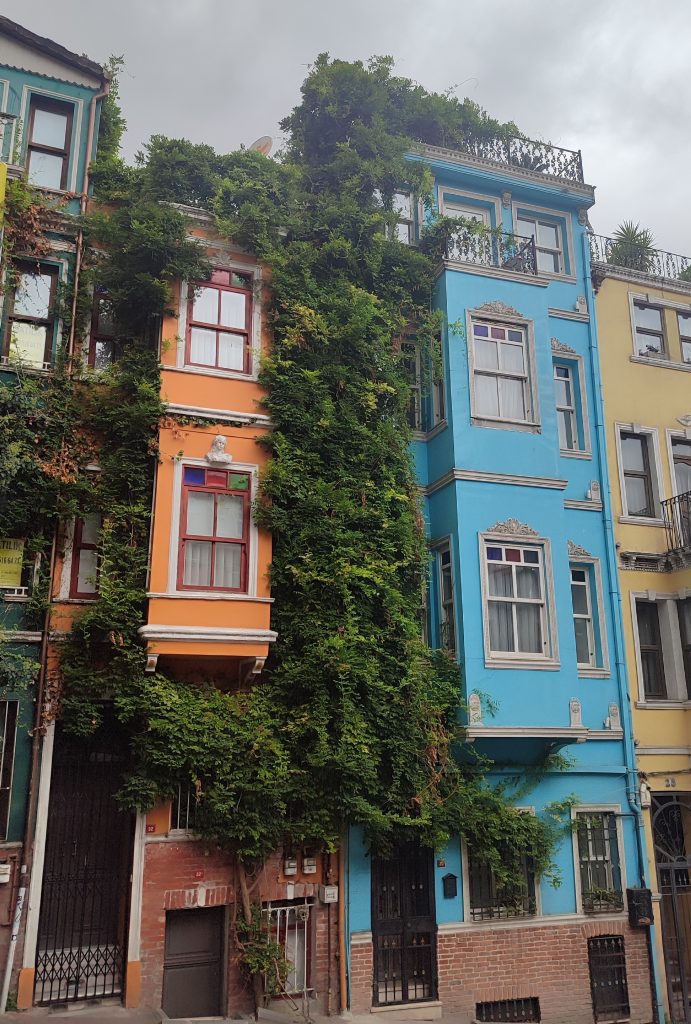
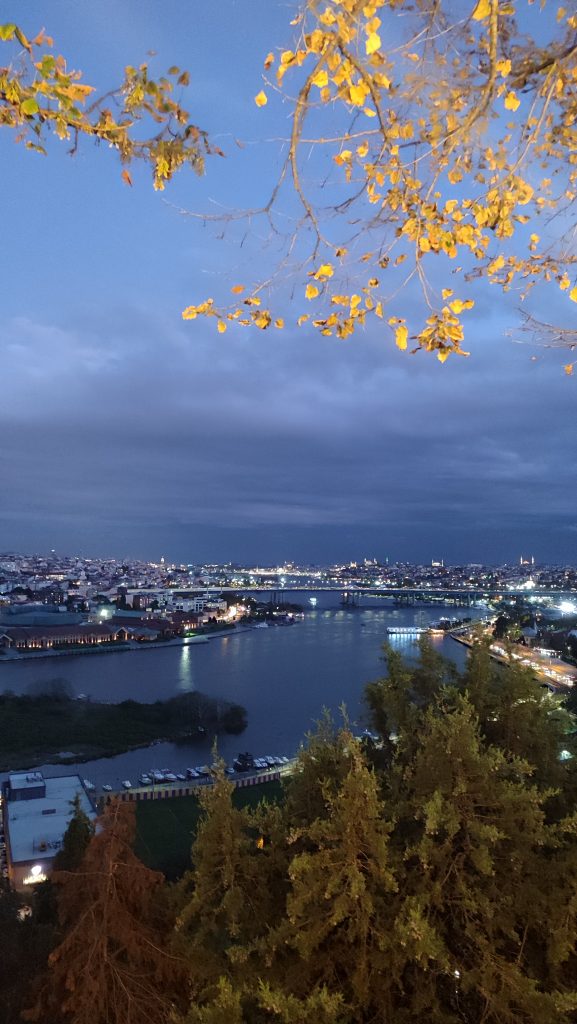
Determined to visit Balat, the city’s colorful and historic district, we debated taking a tram but ultimately walked, enjoying the city’s diverse streetscapes. Balat, once home to Istanbul’s Jewish and Greek Orthodox communities, is known for its rainbow-colored houses and trendy cafes. We had Turkish coffee at a well-known café before heading to Pierre Loti Hill via tram and cable car. The hill, named after the French novelist who adored Istanbul, provided a stunning city view, making it the perfect spot for tea.
On our way back, we indulged in a professional photoshoot wearing traditional Ottoman attire—€20 for multiple pictures and a cute photo album. We ended the day exhausted, with over 20,000 steps and 18 kilometers walked.
Day 4: Exploring the Asian Side & Taksim
Taking a ferry across the Bosphorus, we explored Kadıköy, a lively district on Istanbul’s Asian side. We passed by Fenerbahçe Stadium, home to one of Turkey’s top football clubs, and wandered through the streets, though nothing stood out particularly. Eventually, we took a bus back to the ferry terminal and found a nice spot to grab a drink and charge our phones. Then, we crossed over to Beşiktaş.
There, we admired the Dolmabahçe Palace from the outside. Built in the mid-19th century, it served as the administrative center of the Ottoman Empire.
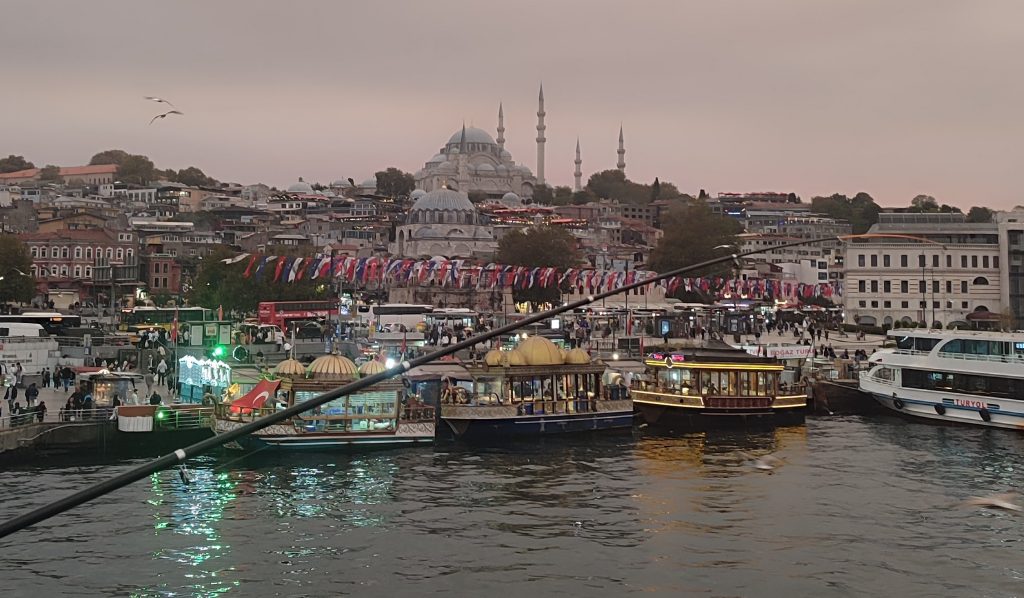
From Beşiktaş, we walked to Taksim Square, Istanbul’s modern hub. After a short snack break, we strolled to Galata Tower, an iconic medieval structure offering stunning city views. However, the €30 entry fee seemed excessive, so we opted for drinks at a nearby rooftop bar instead. As the evening drizzle set in, we walked across Galata Bridge, watching fishermen and soaking in the lively atmosphere before heading back to the hotel.
Day 5: A Relaxed Farewell
On our last full day, we opted for a slow-paced itinerary. The warmer weather called for day drinking, last-minute shopping at the bazaars, and chilling in Istanbul’s parks. It was the perfect way to unwind after days of extensive walking and sightseeing.
As our flight next day was from Istanbul Airport, we debated between public transport (1.5 hours with transfers) or a €30 taxi ride. Ultimately, we chose the latter for convenience.
Final Thoughts
Istanbul is a city of contrasts, blending ancient and modern, tradition and innovation. While some attractions were pricier than expected, the experience was undoubtedly enriching. Whether it’s the grandeur of Hagia Sophia, the charming streets of Balat, or the lively Grand Bazaar, Istanbul never ceases to amaze. If you’re planning a visit, come prepared for lots of walking, delicious food, and an unforgettable cultural experience.
Check out some of my older articles to get you inspired and organized!


